Entry · Ref Y-X01N8B
Getting Your Home Ready for a New Roof Installation
- Posted
- 2026-11-11
- Last amended
- 2026-11-11
- Account
- @rainydayhouse
Having a new roof installed is a major home improvement project. It can be disruptive, but with some thoughtful preparation on your part, the process will go much more smoothly for both you and the crew. A little effort before work begins can protect your belongings, keep your family safe, and help the job finish on schedule.
This article walks through the practical steps you can take to get your property ready. From clearing the work area to communicating with your contractor, each step helps reduce stress and prevent surprises.
Talk to Your Roofing Contractor First
Before any materials arrive, have a clear conversation with your chosen roofing contractor. Ask about the timeline, daily start and end times, and what they expect from you. Many contractors will provide a pre-work checklist, but it pays to confirm the details yourself.
Find out exactly where they will set up dumpsters, staging areas, and equipment. Check if they need access to an exterior water spigot or an electrical outlet. If your driveway is narrow or your yard has gates, ask if they need keys or codes. Sorting these details early prevents delays on day one.
Clear the Work Area Inside and Out
The area directly around your house will be busy. Move vehicles out of the driveway and park them on the street if local regulations allow. Keep children's toys, lawn furniture, potted plants, and grills at least 20 feet from the home's perimeter. Anything left too close could get damaged by falling debris or stepped on by workers.
Inside your home, the attic is especially vulnerable. Roof work creates vibrations that can knock items off shelves or shift stored boxes. Remove anything fragile or valuable from the attic for the duration of the project. If you have seasonal decorations or old furniture up there, now is a good time to relocate them to a garage or spare room.
For rooms directly below the roof, such as upstairs bedrooms or a finished attic, take down wall art and move delicate objects away from the walls. The banging and hammering will cause some shaking, and you do not want a framed picture to fall.

Protect Your Landscaping
Mature shrubs, flower beds, and trees near the foundation can be damaged by falling shingles, tools, or heavy foot traffic. Cover delicate plants with burlap or old sheets, and consider placing plywood walkways over garden beds that the crew might need to cross. Mark any sprinkler heads or landscape lighting with small flags so workers can avoid stepping on them.
If you have a prized tree or bush close to the house, ask your contractor if they can place a protective barrier around it. Most professional crews are careful, but it is your garden, so taking extra precautions gives you peace of mind.
Secure Pets and Plan for Their Safety
Roofing work is loud. The sound of nail guns, hammering, and debris falling can frighten even the calmest dog or cat. Pets may try to escape through an open gate or door, or they might hide somewhere unsafe. Make a plan to keep them away from the work zones.
If your pet is anxious, consider boarding them for the first day or two, or keep them in a quiet interior room far from the noise. Post a sign on the front door to remind workers that a pet is inside, so they do not accidentally let them out. Cats that normally go outside should be kept indoors for the entire project.
Prepare for Dust and Debris
A roof replacement generates a surprising amount of dust, even when the crew is tidy. Tiny particles can drift through attic vents and find their way into living spaces. Cover furniture in rooms directly below the roof with drop cloths or old sheets. Seal off the attic access door with painter's tape and plastic sheeting if you can, to create a temporary barrier.
Close windows tightly, and turn off window air conditioning units if they are in the path of work. The vibration can damage older units, and dust can clog their filters. If you have a whole-house fan or attic fan, turn it off and seal it until the project finishes.
Check Access and Pathways
Roofing crews need clear paths to carry materials up ladders and haul debris down. Walk around your property and look for obstacles. Low-hanging tree branches might need trimming so they do not interfere with ladders or tear off equipment. If you have a fence gate that opens inward, see if it can be propped open or temporarily removed to give the crew a wider route.
Make sure exterior lights are working, especially if the crew will be working late or starting early in dim light. Good lighting reduces the chance of accidents. If your home has a security system with motion sensors near the roof line, let your contractor know so they can avoid setting off false alarms.
Review Your Insurance and Permit Status
A responsible contractor will pull the necessary building permits before starting. You should confirm that the permit is in place and understand what inspections are required. This protects you and ensures the work meets local codes. Ask the contractor for a copy of their liability insurance certificate and workers' compensation coverage. This is standard practice and gives you peace of mind if something goes wrong.
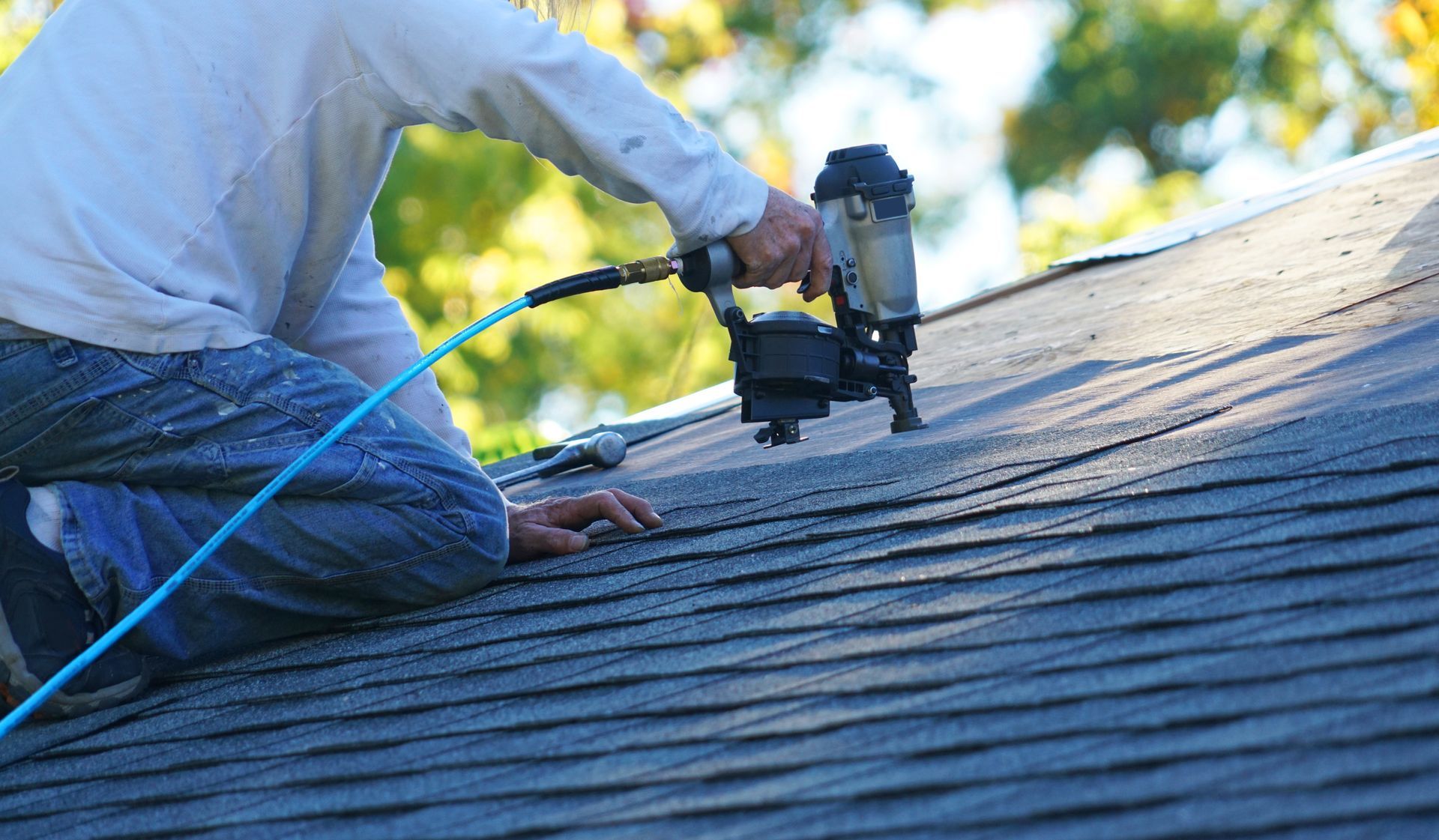
Check your own homeowner's insurance policy to understand what is covered during a renovation. Some policies have limits on coverage for materials stored on site or for damage that occurs during construction. A quick call to your agent can clarify any gaps.
Make a Daily Plan for Your Family
Roof work is not a quiet background activity. If you work from home, plan to be in a part of the house farthest from the roof activity, or consider working at a library or coffee shop on the loudest days. Children who nap during the day may need a temporary schedule change. Let your neighbors know about the project too, especially if they share a wall or are close enough to hear the noise.
If your contractor uses a dumpster, it will likely sit in your driveway or on the street. Check with your local municipality about any rules for dumpster placement. Some areas require a permit for a dumpster on the street, and you do not want a ticket on top of the project cost.
Understand What Happens with the Old Roof
Most full replacements involve a complete tear off of the existing roofing material. This process is noisy and creates a lot of waste. The crew will haul the old shingles or tiles away, but they may also need to replace sections of the roof deck if they find rot or damage underneath. Ask your contractor how they handle unexpected deck repairs and what that means for your timeline and final cost.
During the tear-off phase, your home is temporarily exposed to the elements. If bad weather is forecast, the crew should have tarps ready to cover the roof deck overnight. Ask about their weather plan before work begins. A good contractor will not leave your home open to rain.
Think About Roof Ventilation
While the roof is open, it is a good time to consider whether your attic has adequate roof ventilation. Proper airflow extends the lifespan of your new roof by reducing heat and moisture buildup. Ask your contractor if they recommend adding ridge vents, soffit vents, or other ventilation improvements while the deck is accessible. It is much easier and cheaper to add ventilation during a replacement than to retrofit it later.
This is also the moment to inspect your attic insulation. If you have noticed drafts or high energy bills, now is the time to address it. With the roof deck open, you have rare access to the attic space above the ceiling.
Stay in Communication During the Job
Once work starts, check in with the crew supervisor each morning. Ask about the day's goals and any issues they have spotted. If you have questions, write them down so you do not forget. Most problems can be solved quickly if they are caught early.
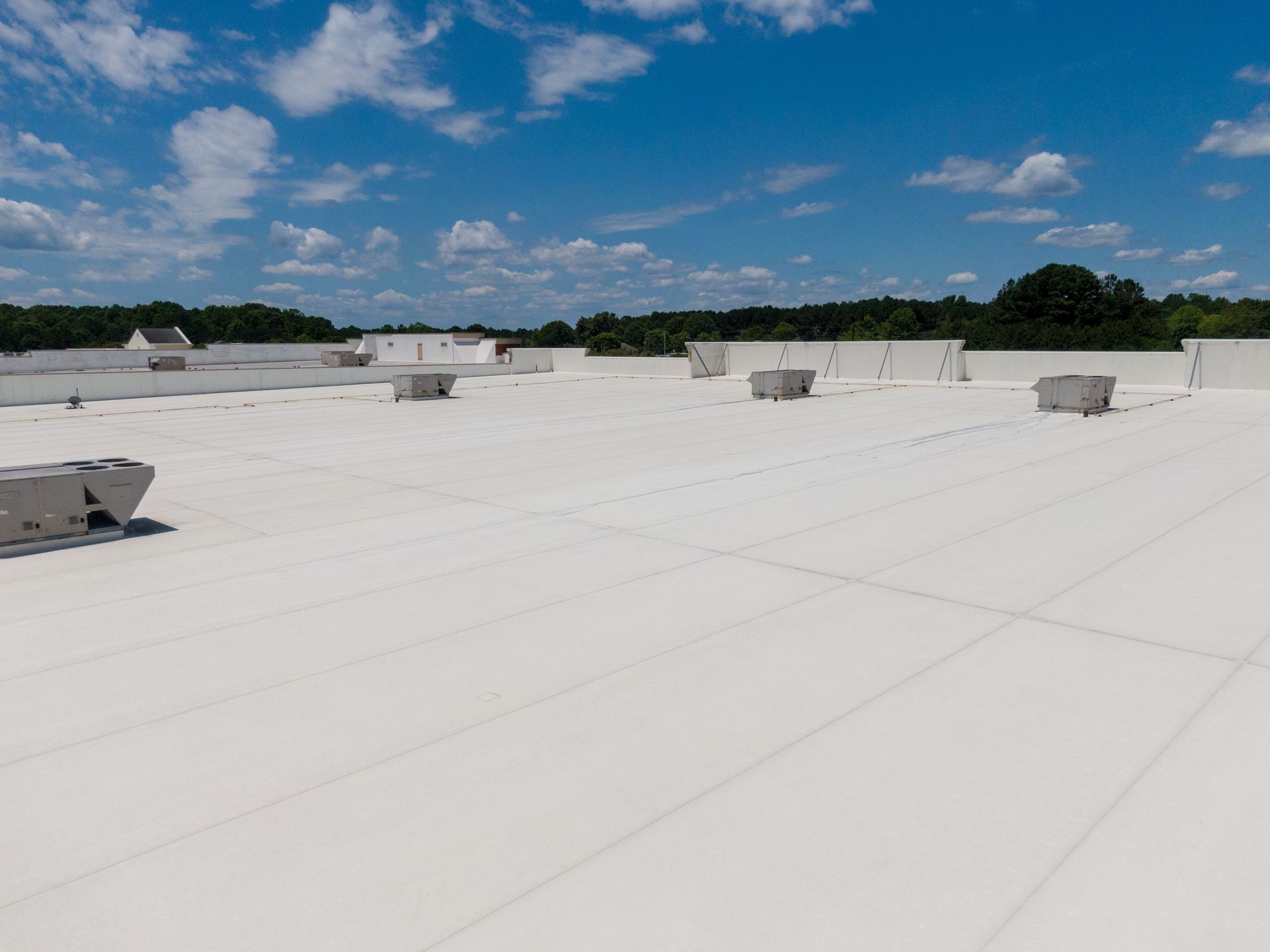
Keep a notebook or a folder with the contract, permits, and contact information handy. When the project is complete, do a final walk-around with the supervisor. Look for any leftover nails, debris, or damaged gutters. Make sure all skylights, vents, and flashing are properly sealed. A thorough inspection now prevents small issues from becoming big ones later.
At the end of the project, you should receive a warranty document and a final invoice. Keep these records with your home files. A good roof lasts decades, and having the paperwork on hand matters if you ever sell your home or need to make a claim.
If you are planning a roof replacement, taking these steps will help the job run as smoothly as possible. A little preparation goes a long way toward protecting your home and your peace of mind.
READY ROOFING, LLC is also on LinkedIn.
For professional roofing services including new roof installation, repairs, inspections, and storm damage restoration across Northern Florida, contact READY ROOFING, LLC at 5105 Philips Hwy Ste 205, Jacksonville, FL 32207, USA, phone +1 904-404-9849.